01
SOS watch
A wrist-worn format can keep the alarm button close at hand. The wearer should try the controls and fit before a model is chosen.
- Check button access and readable instructions.
- Ask how charging fits into the daily routine.
 Personal AlarmsSwedish Brand · Monitorimi
Compare personal alarm formats against everyday routines, comfort and the contact plan. Ask about the availability and specifications of the model you prefer.
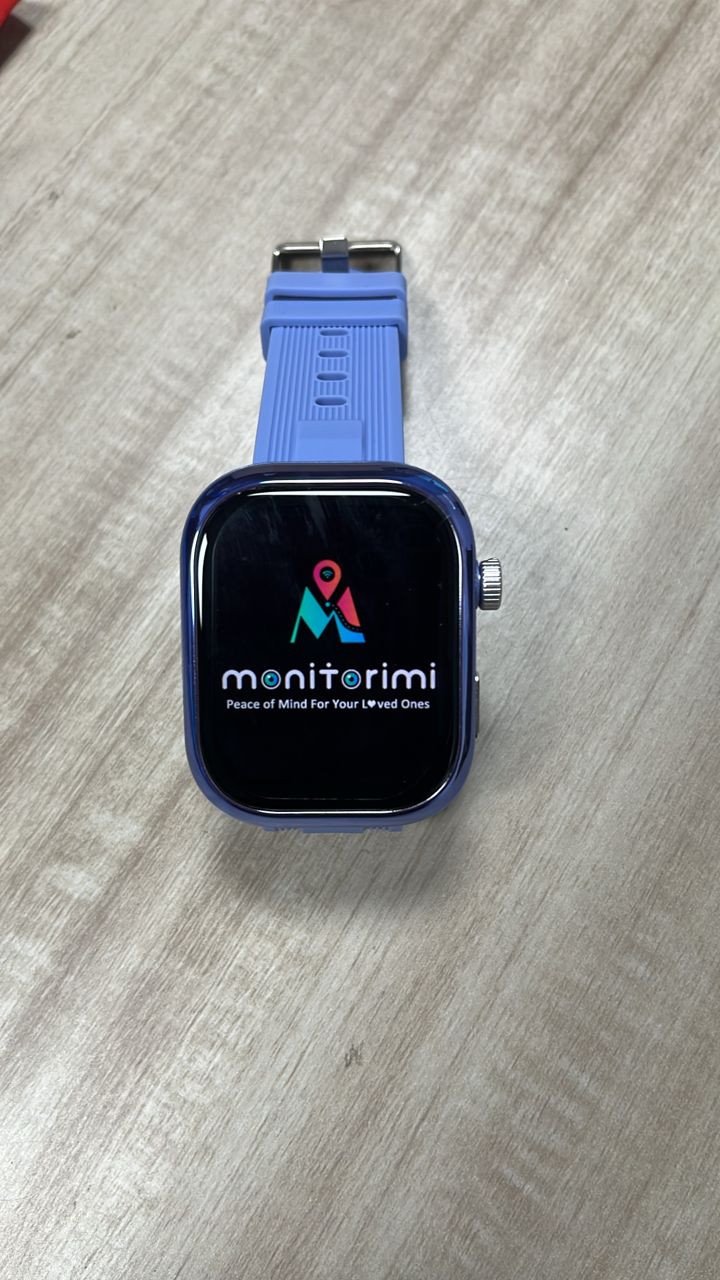
A wrist-worn format can keep the alarm button close at hand. The wearer should try the controls and fit before a model is chosen.
A pendant offers another way to carry a personal alarm. Wearing options and any two-way communication must be checked for the actual model.
A home setup may involve a base unit, wearable button or sensors. Do not assume that one device covers every room or works outside the property.
Request the specifications for the exact model and a complete quotation. Check which functions and services are included before choosing.
Different ways to raise an alert—not all available in every device. Confirm each function in the model documentation.
The wearer requests contact by pressing a button; recipients and procedure must be agreed.
On suitable models a sensor may trigger an alert. Falls may be missed and false alerts may occur.
Where GPS and virtual areas are supported, crossing a defined boundary may trigger a notification.
Separate sensors may support a home plan. Configuration and compatibility are required.
Explore device formats and everyday needs. Availability, functions and terms are established for the selected model.
For people who prefer a wrist-worn device. We discuss comfort, the alarm button, charging and how contacts are reached.
→An alternative format to carry with you. We check how it is worn, network coverage and who receives notifications.
→For coordination needs in the home. Sensors, devices and associated services are assessed separately.
→